
I came here at a turning point. I had just graduated college. I was in…
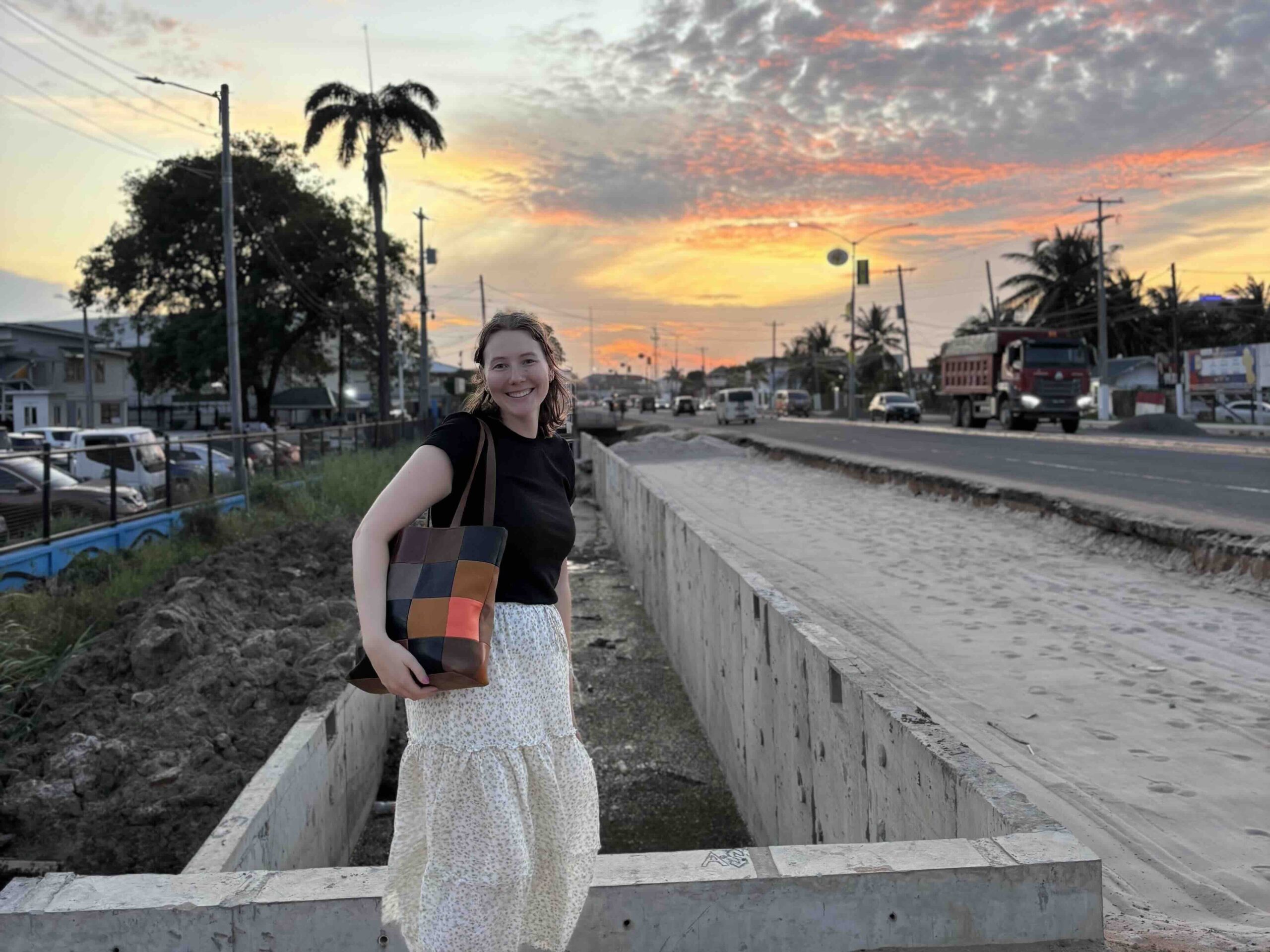
The Worth in Every Hard Day
I am a teacher at Bosco Academy in Georgetown, Guyana, a school built for boys who live at an orphanage run by the Sisters of Mercy. Before coming here, I figured this year would be transformative. I had read the materials, talked to former volunteers, and prepared myself mentally. I thought I knew what I was signing up for.
My days in the classroom are hard. Probably the hardest thing I have ever done. But the kind of hardship I have encountered here has taught me things about myself that I do not think I could have learned anywhere else. Three lessons, in particular, keep showing up in the classroom, in my community, and in the quiet moments on the bus ride home.
Resilience
My afternoon student is thirteen years old, and I was not given much background on him when we started working together. What became clear very quickly was that he had been let down before. He told me about a past teacher who ripped up his paper in front of the class because he got an answer wrong. He carries that memory into my classroom every day. He is hesitant to do any work. He does not want to get it wrong. Everything is a negotiation, and sometimes an argument. When I try to give feedback, he shuts down. He called me the devil once when I was trying to teach place value, and it wasn’t clicking. It stung a little. I always thought I was good at math. But I could not let my ego get in the way of what he needed. I showed up the next day having researched an entirely new way to explain it. Resilience, I have learned, is not about never getting set back. It is about what you do the next day. It is about clearing your mind, walking back through the door, and trying again. Not because it is easy, but because they deserve someone who will.
Flexibility
I came to Guyana with a background in engineering and consulting. I could solve problems when given a clear set of inputs. The classroom gave me anything but. Resources are limited. Lessons that seemed straightforward to plan become something else entirely in practice. One afternoon, I was reviewing synonyms with a student.
“What is a word that means the same thing as big?” I asked.
“Small,” he replied.
I took a breath and tried something different.
“Show me with your hands what big looks like.”
He stretched his arms out wide.
“Now show me small.”
He pulled them in close.
“Are those the same?”
“No, Miss.”
“So think of a word that would make you reach your arms all the way out.”
He did the motion slowly. Then, “Huge.”
“Yes!”
I gave him a high five. I could see the gears turning and clicking into place. That moment did not come from a lesson plan. It came from being willing to scrap what was not working and try something different. To meet him exactly where he was. Being in a new culture, in a school with limited materials, and teaching boys with wildly different backgrounds and needs has made me a more flexible thinker than any job or classroom ever has. I have learned to improvise, to listen more carefully, and to trust that the answer is usually there if I am willing to look for it differently.
Acceptance
This is the one I still wrestle with. I see suffering here on a daily basis. I hear stories of boys missing their mothers, of circumstances no child should face. I have witnessed things that made me want to fix everything immediately, change the systems, right the wrongs, make it all better. And I have had to sit with the truth that I cannot. I cannot change what happened before they came here. I cannot undo the memories a boy carries of a teacher who gave up on him or fully ease the ache of missing a family he may never go back to. There are things here that are simply beyond my reach. What I can do is show up. I can bring my best self through that door every single day and make sure that, for the hours they are in my classroom, they know they matter.
The school itself was built on this philosophy. Because so many of these boys arrived behind their peers due to varied home lives, interrupted schooling, and circumstances outside anyone’s control, the school was designed around their needs rather than expecting them to fit a mold. It is a living commitment to meeting students where they are. Talking with the lifelong teachers here, I have come to understand how rare and how powerful that is.
My role here is so much more than teaching synonyms or place value. It is planting a seed. A belief that these boys matter, that their circumstances do not define their ceiling, that someone sees them and believes in them.
Before I came to Guyana, I thought transformation would feel like something dramatic. A single turning-point moment, a clear before and after. Instead, it has arrived slowly, in ordinary moments. In a boy who calls himself the king of the classroom. In a student who finally reaches his arms out wide and finds the word he was looking for. In the act of showing up the day after something breaks your heart.
I cannot imagine being anywhere else right now. I have learned to appreciate and sit with the hard. It is the kind of hard that is worth it.
Natalie Shulkowski: Georgetown, South America
Related Posts
Comments (0)